


Italian footwear brand Aku continues the process of studying and assessing its environmental impact with a new certification intended to provide a scientific basis for taking concrete reduction actions.
Following the calculation and certification of the CO2 footprint of each product in the Aku collection, which has been renewed annually since 2021, Aku’s activity has reached a new level. Based on the scientific foundation of the GHG Protocol and in compliance with ISO standards, the comprehensive emissions of the entire industrial organization have been calculated.
It is another step that enables the company to sharpen awareness of critical areas where reduction measures need to be defined. The results, verified by the certifcation body Bureau Veritas and published in the annual Aku “Responsibility Report,” show: Aku caused approximately 10,700 tonnes of CO2e in 2022. This includes upstream, core, and downstream processes; in the GHG Protocol, these are referred to as Scope 1, 2, and 3.
The analysis clearly indicates that the majority of Aku’s environmental impacts concern not so much internal production processes, but rather the supply chain of raw materials and materials necessary for the technical reliability and lifespan of the products.
Best practices, joint commitment
Updating and enhancing internal production processes, however, play a central role in Aku’s industrial strategy to ensure an adequate quality and service standard that meets market requirements. Nevertheless, it is necessary to intervene in the supply chain and develop joint projects with various stakeholders pursuing the common goal of developing new production solutions to meet future global targets set by institutions.
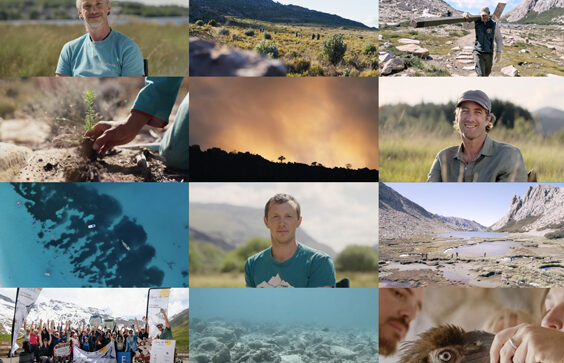
As part of the communication initiative “Behind the Label,” Aku presents “good practices” together with some of its suppliers and emphasizes the joint commitment to redefining certain production practices. This is yet another example of how the company aims to move forward in implementing its responsible commitment to reducing environmental impacts tangibly and measurably in the supply chain.
Photo: Aku






Sorry, the comment form is closed at this time.