November 12, 2026 Performance Days 2026: Supplier innovation gathers momentum
After a few years away, Suston’s Gabriel Arthur returns to Performance Days in Munich. What role does sustainability play at the trade show today? Here are his five key takeaways.
It doesn’t take long before I find myself thinking, “This looks promising,” as I arrive at Performance Days on its opening day, October 13.
After twenty years of visiting international trade shows, you develop something of a sixth sense for whether an event will be a hit or a flop. It’s all about the atmosphere, energy and body language.
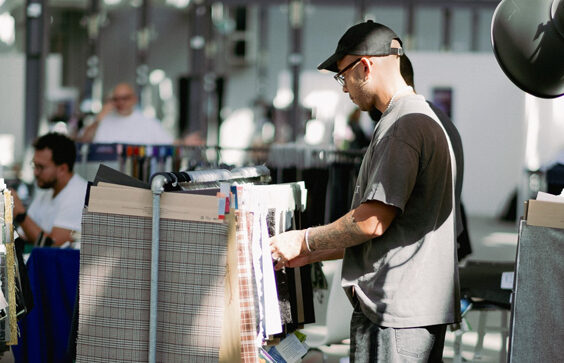
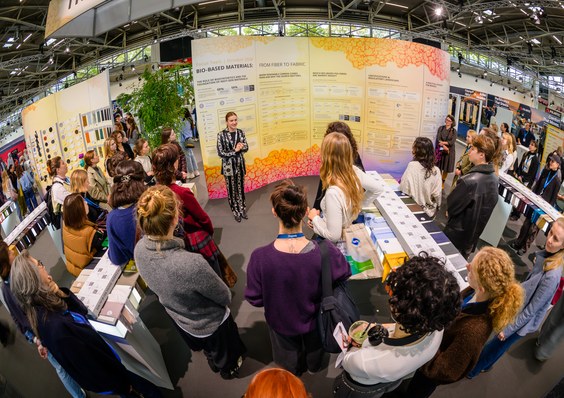
In mid-October, around 5,000 visitors and 599 exhibitors gather in three halls at Messe München – one more than in previous years. By the time I’ve completed my first reconnaissance tour and reached the new Sustainability Exchange at the far end of Hall A4, my initial impression has only grown stronger. Performance Days feels like a trade show in good shape, with an appealing mix of curiosity and confidence.
What about Suston’s specialty – sustainability? After all, an optimistic atmosphere at a supplier trade show doesn’t necessarily mean we’re heading toward a better world.
After two days at Performance Days, I find myself cautiously optimistic in a way I haven’t felt at the outdoor industry’s brand-focused trade shows in recent years. There’s a lot happening upstream in the supply chain, and a sense of momentum.
1. Innovation takes center stage
Here’s something outdoor brands don’t often talk about openly: much of the innovation in textiles and apparel has been outsourced to suppliers. This is where many of the technological breakthroughs happen, where new materials and design solutions are developed – often, of course, in collaboration with the brands themselves.
Naturally, this makes Performance Days a showcase for innovations and upgrades. It’s where suppliers present their latest developments to potential customers.
I join a press tour where we hear about, among other things, a revolutionary (?) new technology for attaching zippers to fabrics, electrospun membranes and upgrades to Polartec Alpha – one of the outdoor industry’s classic insulation materials.
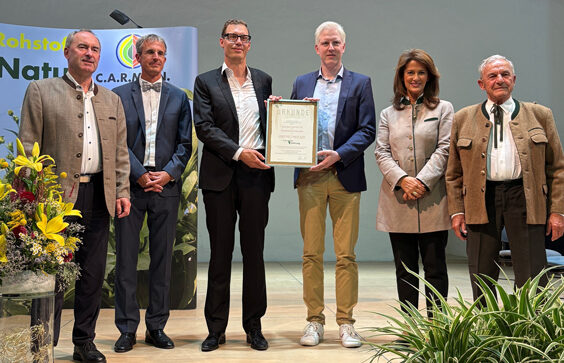
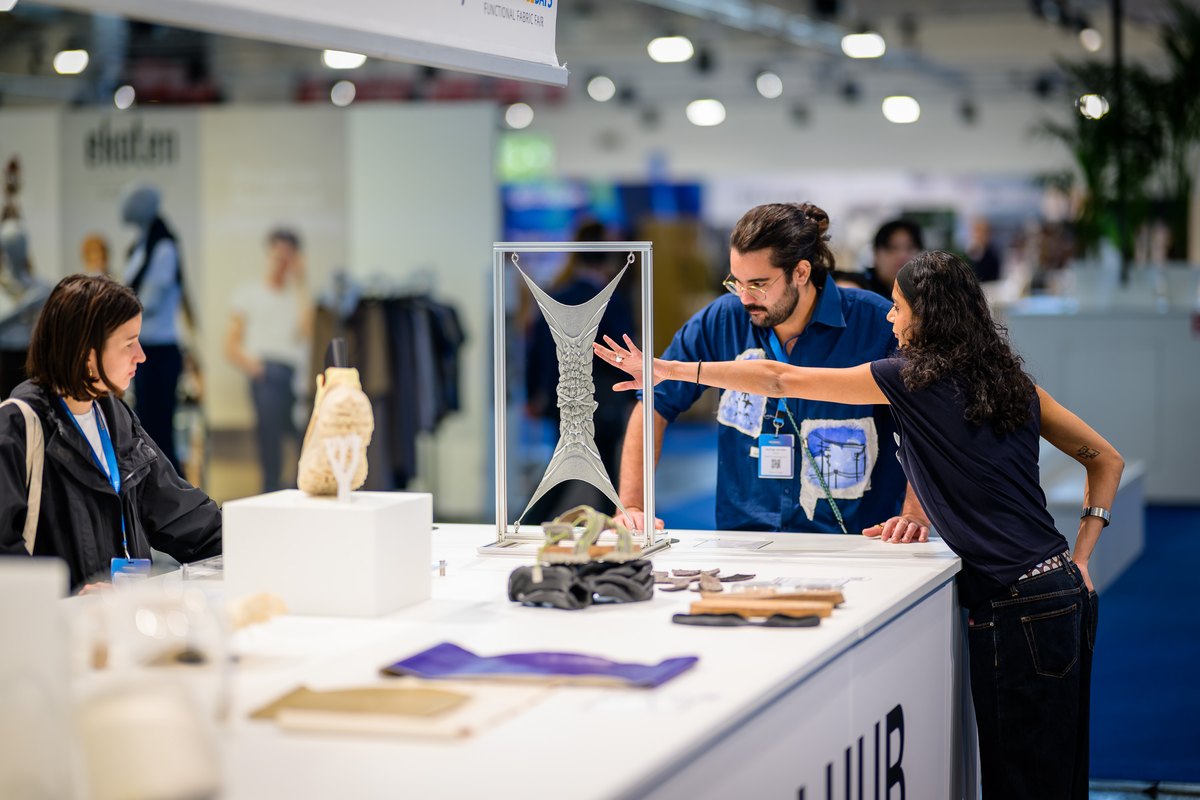
This drive for innovation is also evident in sustainability. Throughout the trade show, smaller themed exhibitions highlight new materials and services. At the annual awards.html" target="_blank" rel="noopener">Performance Days Awards, sustainability is not limited to the Eco category – won this time by a bio-based polyester fabric from Pontetorto SpA. Several winners in other categories feature innovative sustainability solutions.
2. No greenhushing or green fatigue – quite the opposite
Walking through the three halls at Messe München feels a little like traveling back in time to ISPO before the pandemic – when sustainability was something companies talked about with pride and enthusiasm.
That goes for both the exhibitors and the trade show itself. From my perspective, it’s refreshing.
What also stands out is that sustainability isn’t treated as a separate issue. For many exhibitors, it’s fully integrated into the products and services they offer. The question no longer seems to be if, but how.
And it’s not just about materials. Solutions for digital product passports and large-scale textile recycling are also on display.
In Hall A4, a new section called Sustainability Exchange brings together exhibitors, a stage and workshops – including one I host on “Navigating EmpCo Across the Value Chain.”
It’s a valuable addition. By giving sustainability a prominent place at Performance Days, the organizers send a clear message to the industry: these issues matter.
3. …And quite a lot of greenwashing
But the show also takes me back to another aspect of outdoor trade shows around 2018–2019: words like “green” and “eco” are sprinkled liberally across signs, brochures and marketing materials.
Rarely, I suspect, is this a case of deliberate greenwashing. Instead, it often seems to reflect a lack of understanding of how to communicate sustainability – what to say, how to say it and what to avoid. A kind of claims bonanza.
Look closer at how these companies operate and how their materials are produced, and there’s often a credible story behind the marketing. Today’s compliance requirements mean suppliers must be able to provide supporting data. My impression is that the problem lies more in the communication than in the actual operations.
I see this as a significant challenge for the outdoor industry’s supply chain. How can brands credibly communicate the positive developments taking place upstream if they don’t receive the right information from their suppliers?
There are exceptions, of course. Some suppliers and ingredient brands have done their homework and can effectively support brands in their sustainability communication. But overall, the knowledge gap remains too large. A trade show like Performance Days could take a more active role in helping exhibitors improve their sustainability claims and communication.
4. Better bio-based materials, less biodiversity?
The selected Focus Topic for Performance Days in October, as well as for the upcoming show in March, is “Bio-Based Materials – From Fiber to Fabric.” A large exhibition in the Trend Forum in Hall A4 serves as the main hub, complemented by dedicated areas such as the Cellulose Forum and the Wool Forum.

Anna Schuster
The focus is primarily on the journey from raw material to finished fabric, and which feedstocks are moving from “promising” to “reliable.” As Anna Schuster, head of sustainability at Performance Days, puts it:
“The transition from fossil-based to bio-based materials represents one of the textile industry’s most important shifts of the coming decade. While these innovations unlock new opportunities in performance, design and circularity, their success ultimately depends on how effectively we address challenges such as scalability, responsible sourcing and transparency across the value chain.”
The spectrum is broad, ranging from niche innovations such as fibers made from eggshell membranes to regenerative cotton. But there’s an important aspect that’s easy to overlook: bio-based materials aren’t automatically better for nature.
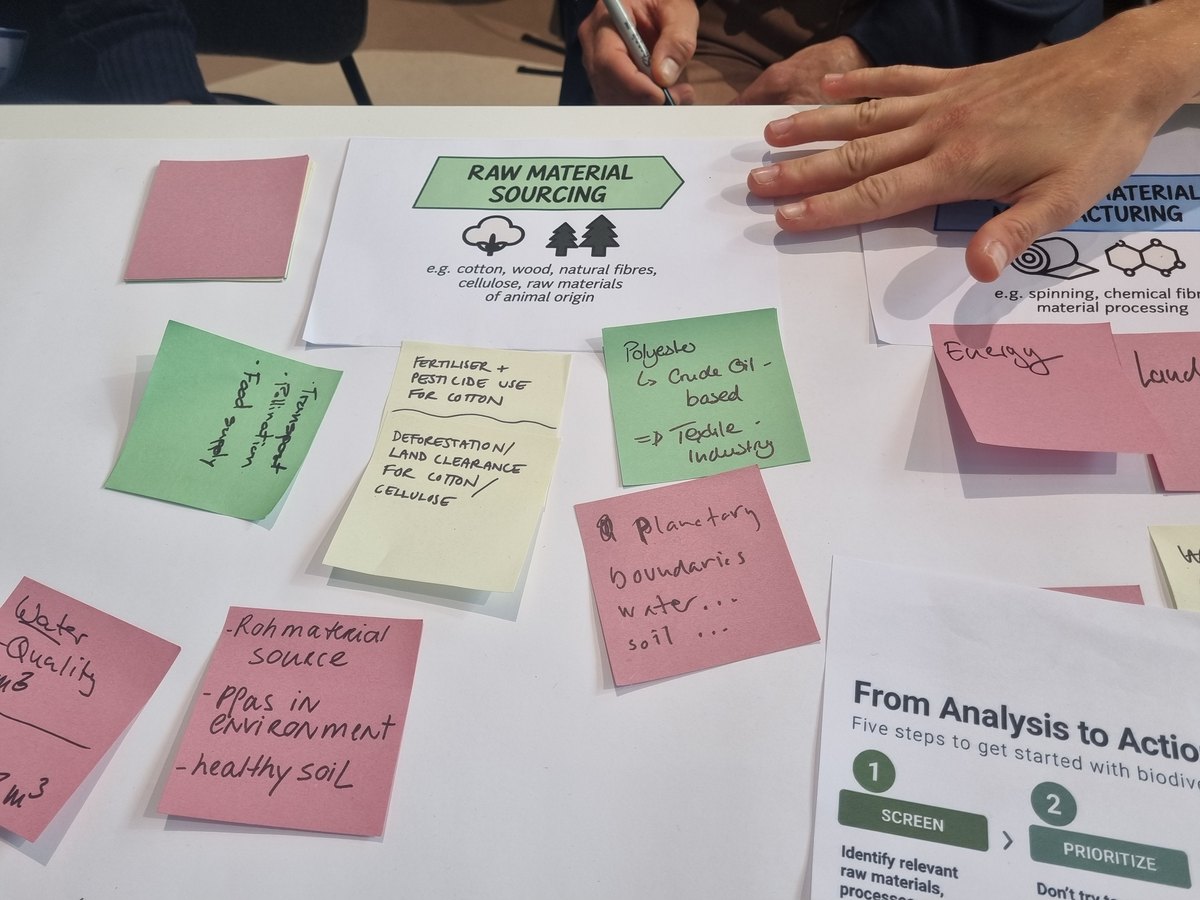
I attend a workshop with Bettina Faust from the Global Nature Fund (read Suston’s interview with Bettina here), titled “What Are the Biodiversity Risks in the Textile Supply Chain?”
One of the key takeaways: unless the development of bio-based materials is clearly linked to protecting and restoring biodiversity, producers risk creating more problems than they solve.
5. Textile-to-textile: slowly but surely?
While supplies of several raw materials are declining globally, there’s one resource that keeps growing: the amount of textiles we produce. So, are we finally approaching the point where textile-to-textile recycling becomes a reality? Yes and no, is my impression.
Take Renewcell, one of the most talked-about pioneers in textile recycling. When the Swedish company went bankrupt in 2024, it sent shock waves through the industry. Yet, as Performance Days is taking place, the factory in Sundsvall, Sweden, is restarting production under the name Circulose.
Several industrial-scale textile-to-textile recycling solutions are represented at the show. One example is China Textile Recycling, with facilities in Guangzhou. A screen at the company’s booth displays how much material has been recycled over the past 24 hours: 426,918 kilograms. In total, the company handles more than 130,000 metric tons of garments and footwear annually.
The nonprofit Accelerating Circularity has spent several years identifying and addressing gaps in the system. We’ve featured its work regularly in Suston, and the progress they observe is clear – but so are the obstacles.
I attend a workshop hosted by Petra Schweiger from the organization’s European team. While Europe has been at the forefront of recycling materials such as paper, the textile recycling sector remains fragmented. Legislation is pushing for change, but also placing greater demands on transparency and traceability.
Speaking with other stakeholders at the trade show, I get the impression that while textile recycling is already happening at scale in China, we’re still busy investigating and debating how to make it work in Europe.
About Performance Days
Performance Days is a functional fabric fair produced by Design & Development GmbH Textile Consult, based in Munich, Germany. The next edition takes place March 17–18, 2027.
Photo: Performance Days