August 1, 2026 Swimwear brand fined for greenwashing Econyl claims
In a case that many may have missed during the quiet summer months, a swimwear brand using Econyl – one of the outdoor and swim apparel industry’s most common recycled fibers – is now at the center of a greenwashing ruling in Denmark.

On July 20, the Copenhagen City Court found Copenhagen Cartel ApS guilty on all 17 counts of misleading advertising under Denmark’s Marketing Act, and ordered the company to pay 500,000 kroner (EUR 67,000) in fines. This ruling closes a case that began when the Consumer Ombudsman referred the company for police investigation.
Between 2021 and 2023, Copenhagen Cartel marketed its swimwear and sportswear across several channels: its website, Instagram, an influencer collaboration, physical stores, and text printed directly on the garments. Among the statements at issue:
- “It’s like the swimwear, made of 78% plastic, that’s been lifted from the oceans!”
- “Sustainable swimwear and sweatpants made from recycled ocean plastic”
- “We give residual and waste resources, which are normally considered worthless, new life and offer a wide range of sustainable products that put people and climate before profit”
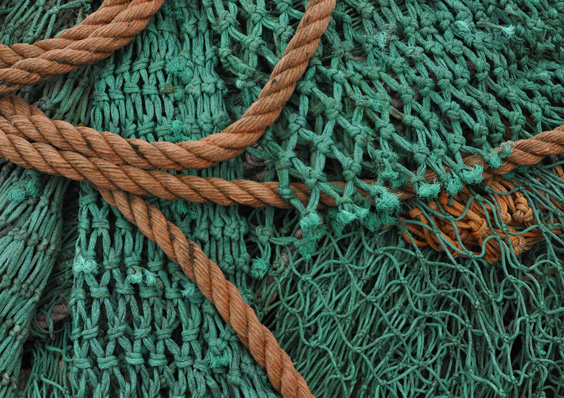
- “Our SWIM and ACTIVE collections consist primarily of recycled nylon, for example from old fishing nets salvaged from the sea. All post-consumer waste, which is considered worthless garbage”
- “Made from ocean waste”
- “Made from recycled ocean plastic”
- “Saving the ocean one product at a time”
- “Thank you! Sincerely the ocean”
Only a fraction traced to the ocean
Econyl itself is not the problem. The material makes up 78 percent of Copenhagen Cartel’s garments, split almost evenly between pre-consumer and post-consumer waste. What the company failed to substantiate in its communications was how much of that waste actually came from the ocean, fishing nets included. Only a small portion held up to documentation.
The court ruled that this gap left consumers with an inflated impression of how much recycled ocean material the products actually contained, information it found likely to significantly distort the economic behavior of the average consumer.
Green marketing claims need documentation
For Consumer Ombudsman Torben Jensen, the issue comes down to trust.
“Consumers may lose confidence that they can contribute to the green transition by choosing one product over another if companies exaggerate the beneficial effects on nature,” he said.
The Consumer Ombudsman flagged the same theme in its 2025 annual report, published August 13. Green marketing claims are now listed as a focus area, and the report stresses that companies face a high bar for documenting them.
And across the EU, that bar is about to get even higher. From September 27, 2026, amendments implementing the EU’s Empowering Consumers for the Green Transition (EmpCo) directive take effect under the Marketing Act. Under the new rules, generic terms like “eco-friendly” or “green” count as misleading, and environmental claims as invalid unless backed by a recognized standard, such as the EU Ecolabel.
Suston contacted Aquafil, the company behind Econyl, for comment but received no response by publication. Readers interested in how Econyl may be marketed can review Aquafil’s own Brand Guidelines & Licensing materials.