November 12, 2026 Five industry insiders on ISPO Amsterdam and sustainability
When ISPO relaunched in Amsterdam, there were plenty of uncertainties. Would brands, visitors and retailers show up? And would sustainability remain a core focus – or become a “nice to have”? Suston asked five industry insiders for their verdicts.
“How does our industry create real value?”

Fredrik Ekström
Fredrik Ekström, Above The Clouds & NORR Agency
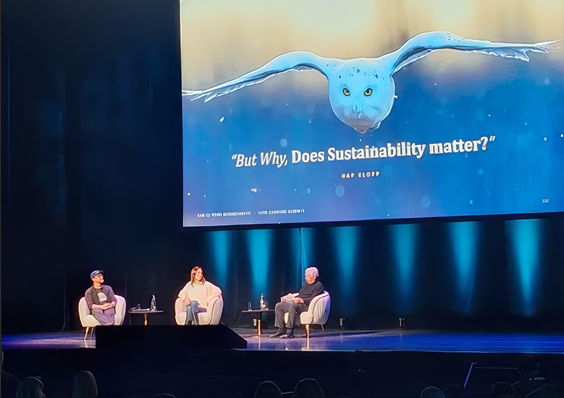
The ISPO Leader Summit brought together senior leaders from the sports, outdoor and winter sports industries the day before the trade show opened. You were one of the keynote speakers, sharing the stage with Nina Hajikhanian, GM Patagonia EMEA, and Hap Klopp, President and CEO of The North Face 1968–1988. What were your key takeaways from the summit?
The value of a summit like this is that it moves the conversation off the show floor. It gave senior leaders room to speak openly about shifts not always visible between the stands, and to look at impact as a shared industry question rather than a company-by-company effort.
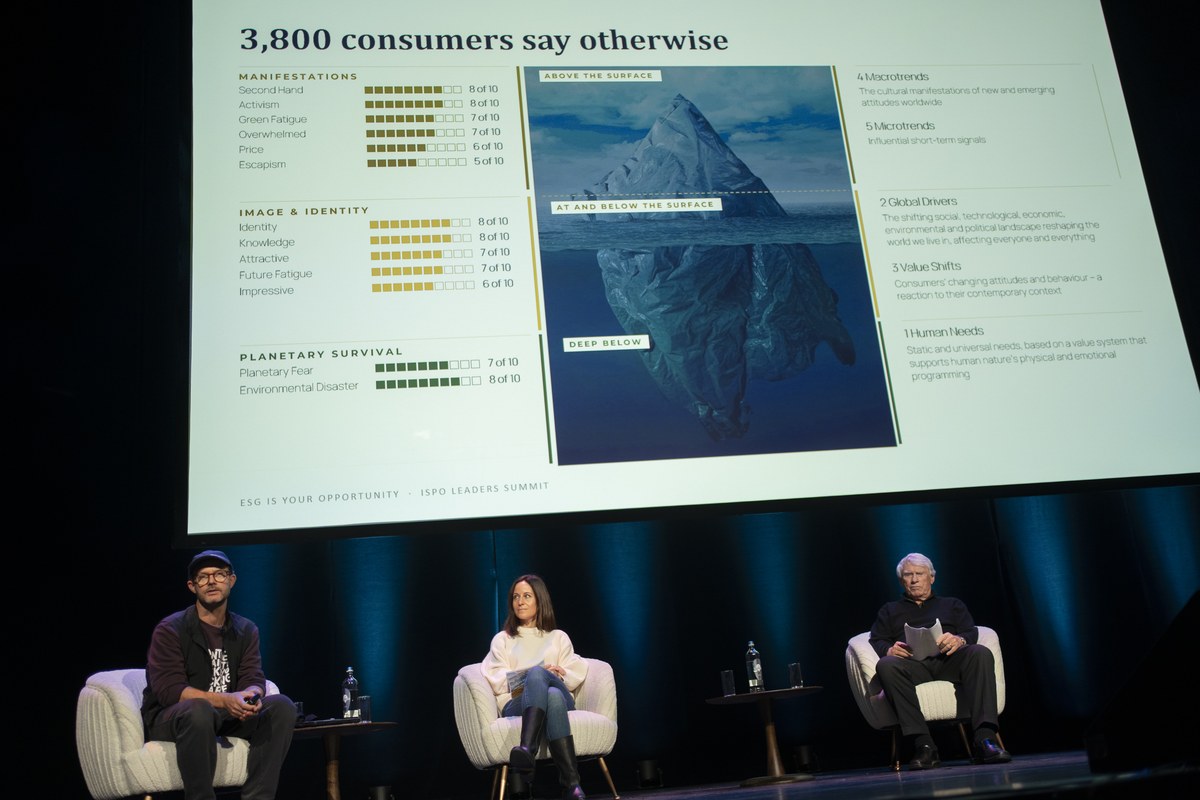
Three themes stood out at the summit: climate and what it means for winter sports, supply chains held to a higher standard of transparency, and who gets access to the outdoors. All three ask the same thing: how does our industry create real value for people and for the places it depends on?
Andy Rubin of Pentland Group opened by naming inactivity as the challenge ahead. Getting more people into nature, across gender, background and ability, is both a social and a commercial task. Climate voices such as Protect Our Winters brought the urgency to mobility and winter sports.
In my closing session with Nina and Hap the message was that ESG is a chance to differentiate, not a compliance exercise. Most brands will comply. The ones that last build a belief system: consistency in caring, progress over perfection, and communication that turns claims into meaning. Hap ended this with a simple line: no wilderness, no business.
“It starts with everyday questions.”

Irina Skrodele
Irina Skrodele, Head of Marketing & Communication, Bluesign
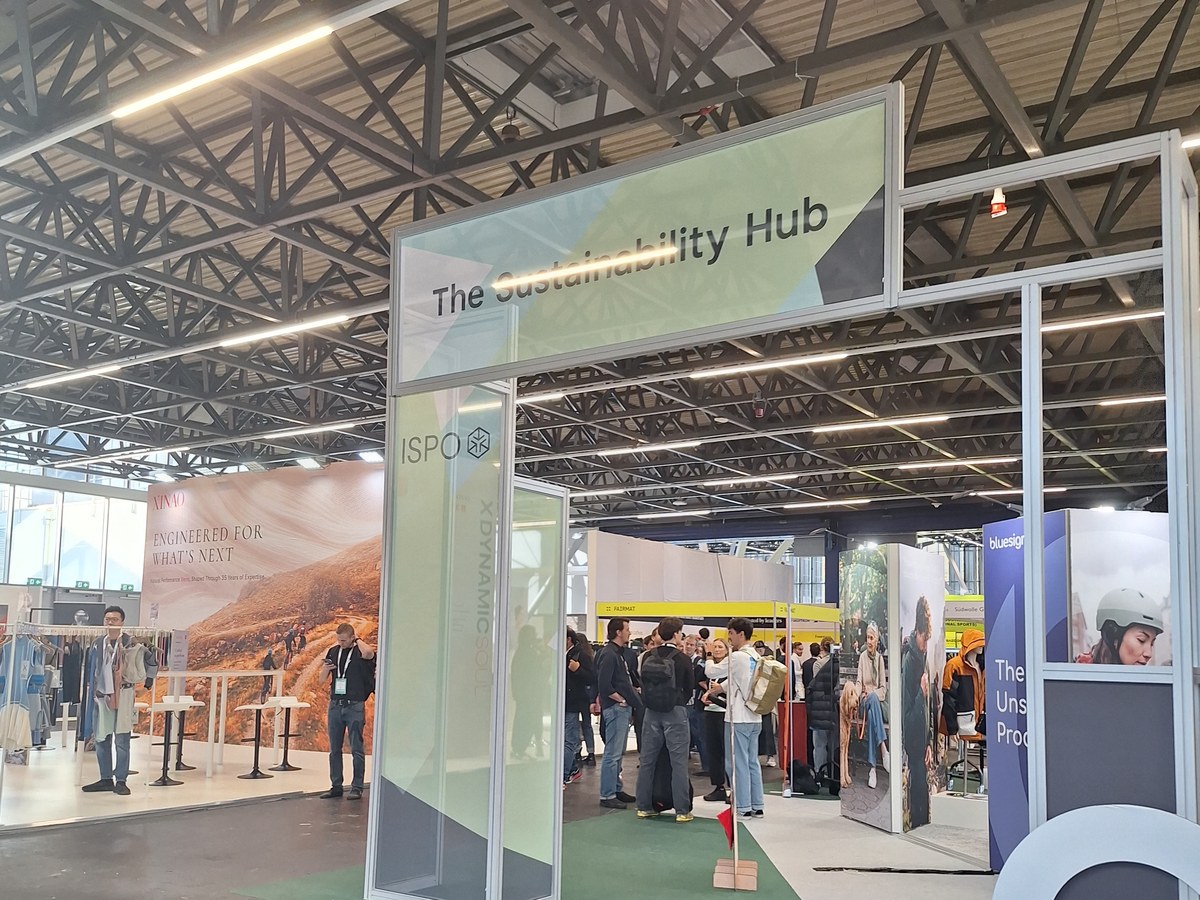
Over the years, the Sustainability Hub at ISPO Munich grew from a small kiosk into one of the trade show’s major areas. At ISPO Amsterdam, it returned in a more modest format. Bluesign was among the Sustainability Hub exhibitors. Did you still find value in participating?
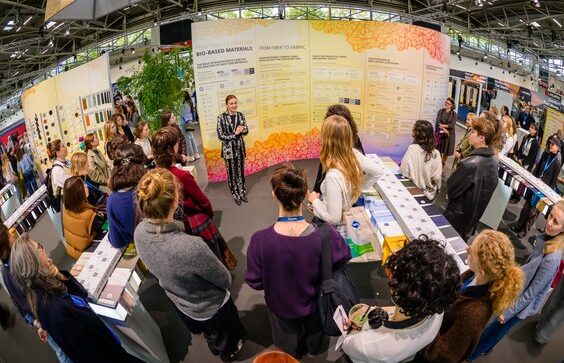
ISPO Amsterdam gave us something the day-to-day with System Partners does not: the industry in one room. Our Unseen Process installation did most of the work. It starts with everyday questions, like “what is in the zipper I touch all day”, and those questions opened conversations that a stand wall never would.
It also gave us a natural way to talk about EmpCo. Since 27 September, brands and their suppliers have had to think harder about the evidence behind what they say, and our bluepass gives them a certification scheme built for that. Many of the conversations we had started there.
Was the hub smaller? Yes. But the point we were there to make does not depend on the size of the room. Circularity doesn’t fix chemistry, and the point of sale is only part of the story. Acting on that is still harder than it should be, and it is a problem for the whole industry rather than any one company. A smaller, more engaged room is a fine place to say so.
“A great opportunity to reconnect”

Ole Magnus Halvorsen
Ole Magnus Halvorsen, CMO, Aclima
The Scandinavian Village was one of the hotspots at ISPO Amsterdam, with several Nordic brands, including Aclima, showcasing their commitment to sustainability. What was your overall impression of the trade show? And do you feel sustainability had a strong presence on the ISPO agenda?
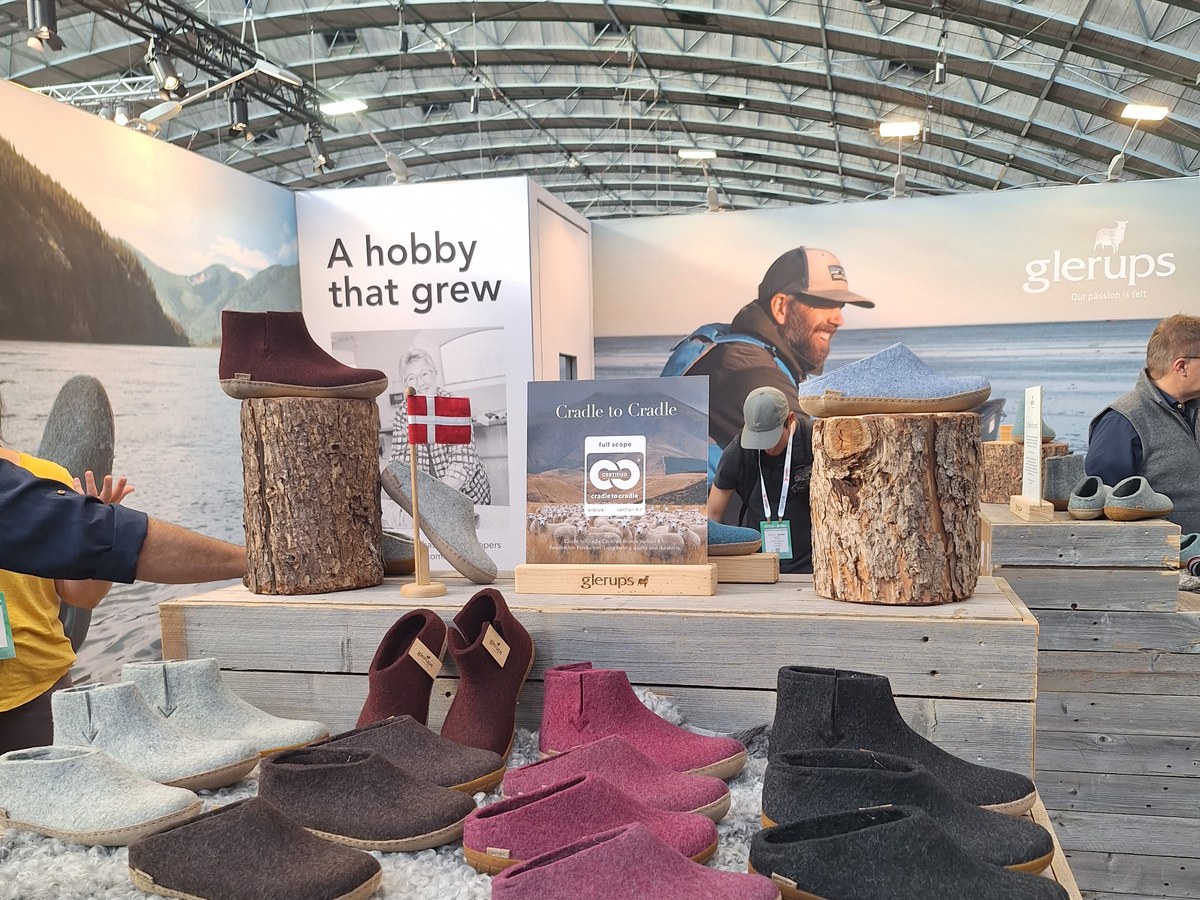
My overall impression of ISPO was positive. Our booth was busy, and we had many good conversations with both existing contacts and prospective customers who showed genuine interest in discovering the benefits of wool.
One thing I would have liked to see was a stronger presence from some of the major outdoor brands. Having more of the bigger international players represented could have attracted an even broader audience and added further momentum to the show. It would be great to see ISPO continue to grow towards the scale and international presence it had before the pandemic.
Sustainability was clearly present, and I understand there were several interesting discussions taking place on the stages. Unfortunately, I didn’t have the opportunity to attend them myself. I do believe there is an opportunity to make sustainability an even more central part of the overall agenda, looking beyond materials and certifications to also include innovation, product longevity, circular business models and, importantly, community engagement and social responsibility.
Overall, it was a great opportunity to reconnect with industry colleagues, meet new people and get a sense of the latest developments across the industry.
“Fresh perspectives and new formats.”

Victoria Reim
Victoria Reim, Partner Collaborations, Suston Magazine & NORR Agency
You’ve represented Suston at several major European trade shows over the years. From a media perspective, what caught your attention at ISPO Amsterdam, and what could the organizers improve or develop ahead of next year’s event?
What caught my attention at ISPO Amsterdam was the effort to bring fresh perspectives and new formats to the show, particularly through the Leaders Summit. I think the concept has great potential, although it would benefit from a sharper focus on the topics and challenges that really matter to our industry.
The Scandinavian Village was another highlight, bringing together a strong community of Nordic brands with a clear commitment to sustainability. Networking worked particularly well, and Amsterdam brought fresh energy and valuable opportunities for exchange.
From a media perspective, I especially appreciated the conversations around the new EU EmpCo rules and their implications for sustainability communication. While I would have liked to see sustainability play a more central role in the official program, particularly with more concrete solutions and innovation in the Sustainability Hub, the people I met were genuinely interested and open to discussing these challenges.
Looking ahead, I believe ISPO has a real opportunity to build on this fresh start. With more relevant topics, the right voices and sustainability more firmly embedded in the agenda, it could become an important platform for driving positive change in the outdoor industry.
“The real change is starting to happen.”

Charles Ross
Charles Ross, Performance Sportswear Design lead at the Royal College of Art, London
You’ve been attending international trade shows for decades and have seen trends and topics come and go. Do you think sustainability could make a comeback as a major theme at trade shows like ISPO? What would it take to make that happen?
Good question – and it was answered by the EOG’s Katy Stevens, Fashion for Good’s Katrin Ley, and the University of Leeds’ Mark Taylor on a panel about Greenwashing Fatigue. The discussion concluded that we are now at end of Sustainability 1.0 and at the start of the 2.0. The subject itself has moved from being a nice extra – that the marketing boasted about – to now being a core value of a brand. If brands don’t have an embedded CSR practice – they will not attract the new generation, either as customers or employees.
Also, there is more to sustainability than just compliance, but as budgets are currently squeezed – then the core of sustainability remains. But the brands who are doing more than compliance are benefiting from it.
The real change is starting to happen. Outdoor has always been where concepts are developed before they get leveraged across into the mainstream fashion trade. This will be accelerated by the introduction of the EU Green Deal, even though there will be bumps in that road.
A great case of this has been the organizers of the exhibition itself, who put their hand in their pocket to fund the ISPO Impact Foundation awards – which saw 1,000,000 euros given to an array of causes working towards making a better society.