


Disruptive technologies and a move away from ‘take-make-waste’ models of business will be key to stopping climate change.
These past months of unprecedented forest fires and soaring temperatures have shown that our planet is in crisis. The need to protect forests, our first line of defense against climate and biodiversity disaster, has never been greater. Protecting forests is vital for the survival of 80% of terrestrial species that call forests home and is the fastest, cheapest and most effective way to stabilize our climate.
Current “take, make, waste” supply chains for paper, paper packaging, and viscose fabrics result in the loss of more than five billion trees a year. Of course, it is impossible to conserve forests to the extent that is needed for planetary health if we continue to mow them down to make shipping boxes, take-out containers and t-shirts. Canopy is working to transform these supply chains at a pace and scale that’s proportional to the ecological demands of our time, and to take the pressure off the world’s forests so they can be conserved and restored for planetary stability.
There are alternatives to forest-based packaging and fiber
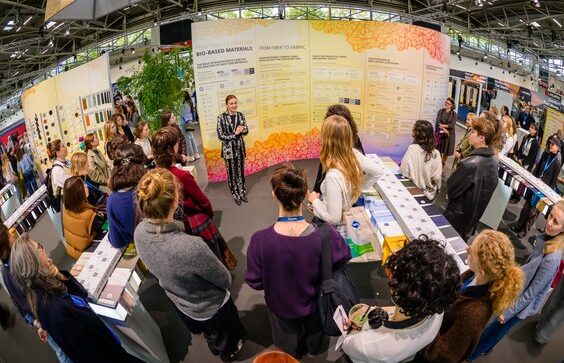
Scaling Next Gen solutions is key to shifting our reliance on forests for packaging and clothing fiber. These game-changing innovations are low carbon, low-impact and circular alternatives that use materials like discarded clothing, agricultural residues, and industrial food waste to make paper packaging and viscose textiles, rather than forests.
Next Gen fibers offer significant environmental, social, and technical benefits. They use on average four tonnes less GHG per tonne of product than conventional wood pulp, have five times less impact on biodiversity, 88% to 100% less land-use impacts, and use much less water. Widespread adoption of Next Gen Solutions will solve several issues at once – repurposing waste to be a valuable feedstock to keep it out of landfill, creating much-needed circular supply chains and associated social value, and taking sourcing pressure off forests so they can thrive for the benefit of humanity and those we share this planet with.
Textile-to-textile recycling solutions are here
Next Gen innovator Renewcell, for example, opened the world’s first commercial-scale, textile-to-textile recycling mill last year. The Swedish company uses textile waste to make fabrics, using hundreds of millions of worn-out jeans and production scraps as feedstock, rather than huge swaths of vital forests. The past few months have seen Renewcell announce new partnerships and production volumes, as they expand production capacity and start planning on mills 2 and 3. The Renewcell mill was enabled by upcoming EU legislation that bans the landfilling of textiles post 2024 and would not have happened without the leadership of brands, producers, and investors who recognize the imperative for Renewcell’s more circular production model.
Renewcell is not alone. Real-world paper, packaging and viscose supply chain solutions that are low-impact, low-carbon, and circular exist are ready to be scaled. They hold the promise of transformation at a scale that’s demanded by the ecological realities of our time. To realize the full potential of this Next Gen shift, we need the mobilization and leadership of brands and investors, alongside government decision makers and conventional producers.
It is the challenge of our generation to safeguard irreplaceable and climate-critical forest ecosystems. We have the solutions, we just need to scale them. What an incredible time to help build a sustainable and equitable future for all of us!
About Canopy
Canopy is a forest conservation organization that aims to advance sustainable forest practices by partnering with industries. They work to conserve critical forests, promote forest-friendly sourcing, and protect biodiversity.
Image: Unsplash





Sorry, the comment form is closed at this time.