


Rab shares its journey to phase-out “forever chemicals,” revealing where these are still in use through their open-source Material Facts tables.
Over 40 years ago, British mountaineer Rab Carrington started making sleeping bags with new performance fabrics using DWR treatments that contained PFAS. These were used in the most extreme and hostile environments on the planet, and PFAS provided unparalleled performance for such conditions at the time. Since then, overwhelming research has brought the toxic properties of PFAS to light. So, for over ten years, Rab has been phasing out PFAS whilst pushing for greater honesty regarding PFAS use.
Rab began testing PFAS-Free DWRs back in 2013. By 2014, the most harmful longer-chain PFAS chemicals (C8) were phased out in favor of shorter-chain PFAS (C6) – believed to be less harmful to the environment at the time. Research proved otherwise, and in 2021 Rab announced its commitment to phase out all PFAS use from its ranges by AW24 – a target which, due to legacy fabrics, stock issues, and the timelines of their ingredient partners the brand could not achieve.
For AW24, 95% of Rab’s purchased fabric with a DWR is now PFAS-free. The remaining styles are those that require the highest performance and durability, and where alternative options have yet to meet stringent performance criteria. Rab will continue to phase-out all intentional use of PFAS from their ranges by AW25.
Hidden PFAS, honest communication
During Rab’s transition to PFAS-free durable water repellent (DWR) treatments, the fact that PFAS can also be found in waterproof membranes, zips, and trims has added complexity. This is why Rab talks about PFAS-free components, not just PFAS-free DWRs.
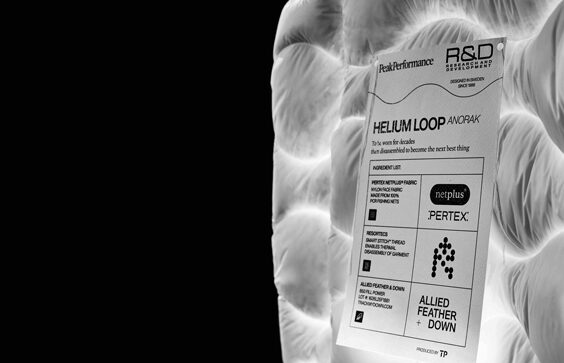
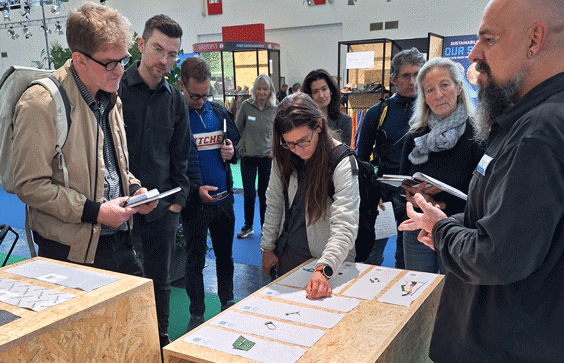
Rab’s Material Facts tables transparently indicate where PFAS are used in their products. Rab strongly believes in the need for open and transparent communication with consumers. Material Facts is a non-branded tool that provides clear and honest product data, and could serve as a basis for a collaborative, industry-wide approach.
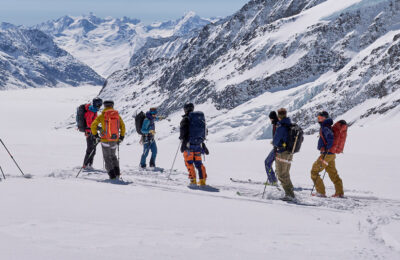
Photo: Rab



Sorry, the comment form is closed at this time.