


Textile-to-textile recycling is emerging as a way to turn discarded materials into new performance fibers. This guide explains how the main recycling methods work and how they are used in insulation materials.
Textile-to-textile recycling refers to processes that convert discarded textiles into new fibers and fabrics. Rather than relying solely on virgin inputs, these approaches aim to recover materials from pre-consumer and post-consumer waste streams.
Interest in these methods has grown as companies across the apparel industry look for ways to reduce raw material use and address increasing volumes of textile waste. Two approaches currently used in textile-to-textile recycling are mechanical recycling and regenerative recycling. Both methods return materials to the production cycle, but they operate in different ways.
What is mechanical recycling?
Mechanical recycling is a closed-loop process that reclaims discarded textiles and processes them into reusable materials.
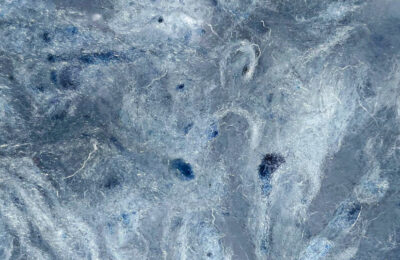
In this process, textiles are physically broken down without changing the underlying polymer structure. Materials are collected, sorted, and processed through mechanical methods such as shredding or fiber opening. The resulting fibers can then be blended with other materials and used to create new textile products.
PrimaLoft applies this approach by deconstructing and re-engineering pre-consumer footwear textiles. These materials are reclaimed and blended with PrimaLoft fibers to create insulation materials designed to meet performance requirements.
Mechanical recycling is typically used when the original material structure can still be reused effectively. Because the process does not involve chemical transformation, it can require fewer processing steps. However, careful sorting and blending may be needed to maintain consistent product performance.
What is regenerative recycling?
Regenerative recycling operates at a molecular level.
Unlike mechanical recycling, this approach breaks materials down into their chemical building blocks. The process removes impurities such as dyes and finishes before reducing the material to its base polymers.
These polymers are then rebuilt into virgin-grade PET pellets, which can be used to produce new fibers and materials. By returning the material to its polymer state, regenerative recycling allows manufacturers to create fibers with properties comparable to those produced from virgin inputs.
This method can help address some of the limitations associated with mechanical recycling, particularly when processing mixed materials or textiles that have undergone multiple treatments.
How are these recycling methods used in PrimaLoft insulation products?
Made using a regenerative recycling process, Silver PrimaLoft ReRun features soft, fine fibers designed to provide thermal efficiency for lightweight warmth and versatility. It delivers performance comparable to virgin insulation and is made with 100 percent recycled content, including 50 percent regeneratively recycled textiles.
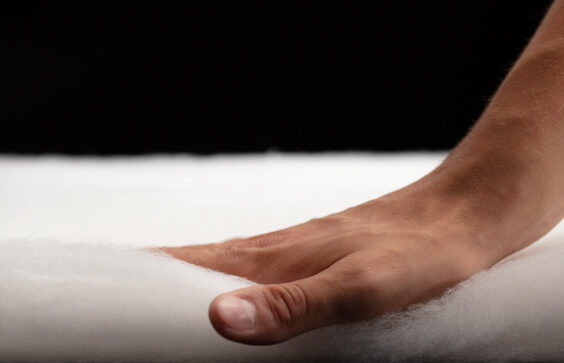
ThermoPlume PrimaLoft ReRun uses a mechanical recycling process that combines shredded textile waste with PrimaLoft fibers. The loose-fill insulation blend creates feather-like plumes intended to mimic the look and feel of down. It is composed of 100 percent recycled content, of which 30 percent is mechanically recycled pre-consumer footwear uppers.
These efforts are part of PrimaLoft’s “Relentlessly Responsible” approach. Through initiatives such as the ReRun platform and products like ThermoPlume PrimaLoft ReRun, the company aims to reduce reliance on virgin materials while advancing textile-to-textile recycling and supporting more circular systems for insulation used in apparel and gear.






Sorry, the comment form is closed at this time.