October 6, 2026 Outdoor brands to the EU: Hands off Europe’s nature laws
Outdoor sector associations urge the European Commission to maintain the Birds and Habitats Directives.
EOCA, together with leading companies from across the outdoor sector, is calling on the European Commission to maintain the EU Birds and Habitats Directives in their current form and focus renewed efforts on their full implementation.
The call comes as the European Commission continues its work to review the Birds and Habitats Directives.
The legal foundation of Natura 2000
The Birds and Habitats Directives are the legal foundations of the Natura 2000 network, the world’s largest coordinated network of protected areas, including some of Europe’s most iconic outdoor destinations. EOCA and its supporting companies see no benefit in weakening these directives and are instead calling for renewed investment and action to ensure their full and robust implementation.
“Healthy ecosystems are fundamental to a resilient European economy, and the outdoor sector depends directly on healthy habitats and biodiversity,” says Dan Yates, executive director of EOCA.
“We need to see renewed commitment to implementing the legislation we already have, rather than weakening it.”
The economic case for EU nature laws
The case for protecting nature is also an economic one. More than half of global GDP is moderately or highly dependent on nature and its ecosystem services. The outdoor sector depends on healthy natural habitats and thriving biodiversity as the foundation for recreation, tourism and people’s connection with nature.
Tourism within Natura 2000 sites, including outdoor recreation, generates between €50 billion and €85 billion annually and supports up to two million full-time equivalent jobs, particularly in rural, coastal and mountainous regions.
Business voices for nature
“Patagonia has a long history of protecting wild places around the world,” says Nina Hajikhanian, general manager EMEA at Patagonia.
“Right now, that means taking action to protect our last wild rivers across the Balkan Peninsula’s ‘Blue Heart,’ from threats including hydropower production, alongside our network of grassroots NGOs and impacted communities.”
Hajikhanian says the company is also advocating across Europe for Natura 2000 and the Birds and Habitats Directives that form its legal foundation. She adds:
“It’s a privilege to play a leading role for a company built around protecting the precious ecosystems we all depend on, and I call on business leaders to join me in raising their voices for nature. Together, let’s take responsibility for our time on this, our home planet, and how we can leave it better for the next generation and all life here.”
Who signed the letter
EOCA and the supporting companies are calling on the European Commission to maintain the Birds and Habitats Directives in their current form and focus on renewed efforts to fund and secure their full implementation.
The statement has been signed by EOCA and senior representatives from Patagonia, Arc’teryx, The North Face, Mammut, La Sportiva, Ortovox, Pertex, Nikwax, Cumulus, Raccoon Media Group / ISPO and Icebug.
Read EOCA’s letter to the European Commission. Explore the Natura 2000 map.
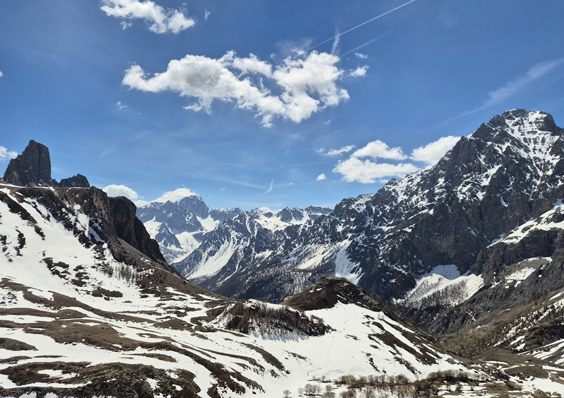
Photo: Dan Yates – Alte Valli Stura e Maira, Natura 2000 site