


While many focus on shaving off a gram of CO2 here and adding a circular design feature there, EOG’s Katy Stevens wonders if we shouldn’t place more emphasis on tackling the industry’s overproduction of products – where as much as 40% goes to waste.
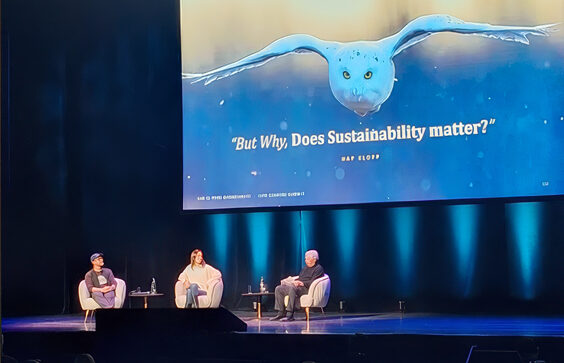
A few weeks ago, at a sustainability event, I heard an alarming statistic about overproduction, and how a significant percentage of produced goods are never even sold. Fascinated by this fact, and the potential it holds for reducing impact, I tried to look deeper into this topic, Unsurprisingly, its difficult to find actual data on this, after all, no one really wants to admit, or even think about how much product they are making that goes to waste, or how much damage they are doing extracting resources to simply destroy them.
Most of the articles I have read since, suggest that overproduction is around an eye-watering 40%. In the outdoor apparel industry, this translates to mountains of unsold inventory, wasted materials, and a heavy toll on the environment.
Overproduction is symptomatic of an archaic manufacturing system that incentivizes volume over value, quantity over quality, and I have heard industry conversations recently around brands aggressively encouraging retailers to buy more than they need with attractive sale or return offers, fuelling the overproduction fire.
This unlimited availability of everything, undoubtedly leads to a culture of overconsumption and the consequences of overproduction extend beyond environmental concerns; it also impacts economic sustainability. Companies invest substantial resources in producing goods that may never be sold, leading to financial losses and inefficiencies in the supply chain. This vicious cycle of overproduction not only harms the planet but also undermines the long-term viability of businesses.
From a policy perspective, the EU has approved a ban on the destruction of unsold apparel, clothing accessories and footwear as part of the Eco-Design for Sustainable Products Regulation (ESPR). This should hopefully encourage industry to start to think about, and take this issue seriously (although my worry is that this may lead to the unscrupulous finding more ‘creative’ ways of disposing of waste).
Its not all doom and gloom though. Haglöfs 2023 Sustainability Report, detailed a 62% reduction in CO2 emissions compared to the previous year, a dramatic emissions reduction that was due to their response to overstock issues in the industry. They responded by producing less gear and selling more of their existing stock, which led to a lower emissions output.
This success story shines as a beacon of hope, demonstrating that change is not just possible but also remarkably impactful. As industry players, you have the power to elevate this crucial topic to the highest levels of discussion. Start by gathering data and constructing a compelling business case to illustrate that producing less not only benefits the environment but also yields positive outcomes across all aspects of the business.








Sorry, the comment form is closed at this time.