August 15, 2020 Traceability in Demand
New tools and continued consumer pressure is seeing product traceability and supply chain transparency more popular than ever, according to report.
A total of 24,205 traceability certificates and labels were issued between July 2019 and June 2020, says Swiss-based textile organization OEKO-TEX. Their annual report, released at the end of August, shows an increase of 13% compared to last year, with the MADE IN GREEN label seeing above-average growth at 115%, or 2808 valid labels issued.
Each item marked MADE IN GREEN can be traced using a unique product ID or QR code. This means consumers get direct access to information regarding the production facilities in which the textile or leather article was produced including geographical locations, as well as details about individual stages of production. The label also marks the product as having been manufactured in accordance to sustainable practices and under socially responsible working conditions. Labels like STANDARD 100, which certified 50 face mask manufacturers between April and June of this year, and LEATHER STANDARD, have also seen increased usage.
Established in 1992, OEKO-TEX has long pushed for transparency within textile and leather production chains, advocating for consumer and worker protection across international lines. So far over 16,000 manufacturers, brands and retailers in nearly 100 countries formally partner with the organization. OEKO-TEX’s Secretary General, George Dieners, believes that this increase in certification reflects that consumers are “thinking a lot more carefully about how and what they are buying. To simplify these purchase decisions, it is up to the brands to communicate end-to-end transparency.”
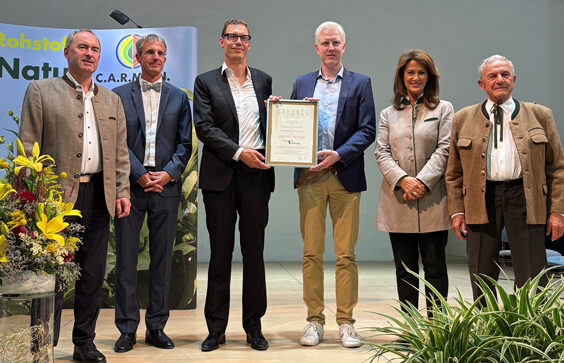
Photo: Oeko-Tex