


Where do running shoes have the largest climate impact – and what’s easiest to fix? Icebug found the answer in Vietnam: rooftop solar at its Tier 1 factories. “The solutions were so compelling that I asked myself: what’s the catch?” says CEO David Ekelund.
Until 2020, the Swedish footwear company Icebug followed a path similar to many outdoor brands with ambitious climate targets: measure all emissions, reduce what you can, offset the rest. Icebug also chose to compensate for historical emissions by purchasing Renewable Energy Certificates (RECs) via the UNFCCC’s platform.
“We were recognized by the UN as the ‘first climate positive outdoor footwear brand,’ which we made a big fuzz about. But that quickly soured on us as everyone from airlines to dairy companies began using it. Climate positive soon felt like a carte blanche to keep on with business as usual, so we killed that narrative about Icebug.”
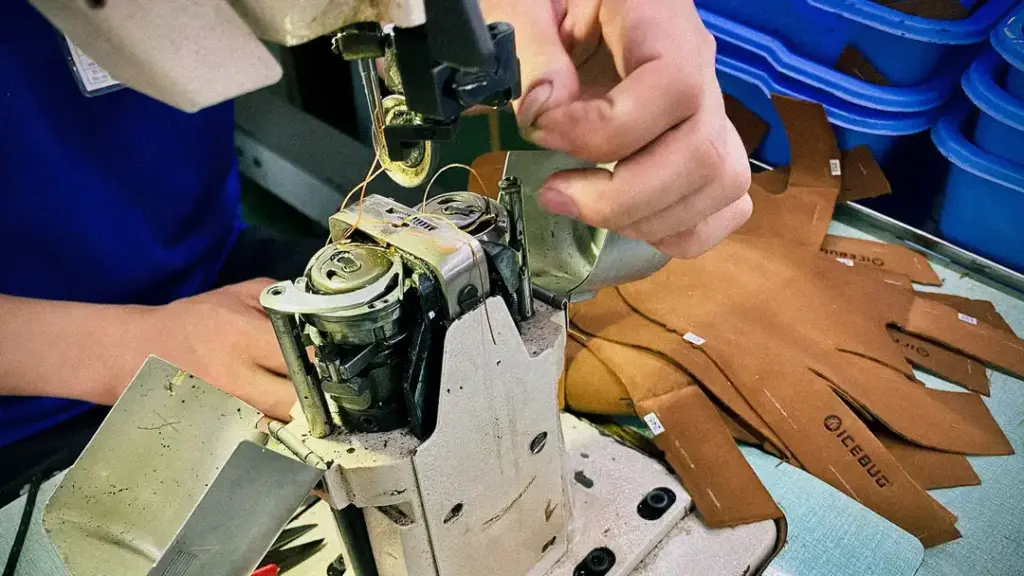
Icebug’s Tier 1: four factories in Vietnam
How could the company then take greater control of its actual emissions? Product-level life cycle assessments offered clues. The company’s own operations, headquartered in Gothenburg, Sweden, were easiest to manage – but represented only a fraction of total emissions.
Suppliers of textiles, rubber soles, and other materials (known as Tier 2) had a far larger footprint.
“That work has been done diligently but it’s a slow process to secure performance and durability when switching materials and there are often significant tradeoffs,” says Ekelund.
The layer in between – factories that purchase materials and manufacture the shoes – proved to be the key. For Icebug, almost all Tier 1 production takes place in Vietnam.
“In practice, it’s four large factories we’ve worked with for ten to fifteen years. They also supply several other outdoor brands,” says Ekelund.
“At the time, they sourced their electricity from the existing grid, largely powered by coal.”
“Solar as a service”
In the winter of 2020, Icebug joined a pilot project alongside other brands – Arc’teryx, Columbia, Gap Inc., Lululemon Athletica, and retailer Target – together with external experts experienced in similar initiatives. Further research followed, with encouraging results.
Vietnam already had a functioning “solar-as-a-service” model. Solar providers offer factories a turnkey solution: in exchange for long-term contracts and access to rooftop space, the provider handles everything – permits, technology, and installation.
“Solar providers can even guarantee factories a lower electricity price than the conventional grid,” says Ekelund.
The challenge lies in those long-term contracts, typically spanning 15 to 20 years. Would factories trust that brands like Icebug would remain committed for that long?
“This is where outdoor brands can play a decisive role. We often build long-term partnerships, and there is trust between us and our suppliers.”
All factories now equipped with solar
The second barrier was simply inertia – business as usual is hard to change, especially in times of macroeconomic uncertainty driven by pandemics, wars, and trade conflicts, Ekelund explains.
“Projects like these require significant engagement. I underestimated how many meetings and discussions it would take to convince our suppliers.”
In 2022, Icebug set a target: at least 50 percent of Tier 1 energy consumption should come from renewable sources. The first factory went live that same year.
By the end of 2025, the fourth – and final – factory had joined, meaning all major manufacturing partners in Vietnam were on board. The installed solar systems now cover roughly half of the factories’ energy needs.
“The remaining energy still comes from the grid. To reach 100% renewable electricity, we therefore purchase Renewable Energy Certificates on the Vietnamese market, contributing to the country’s green transition.”
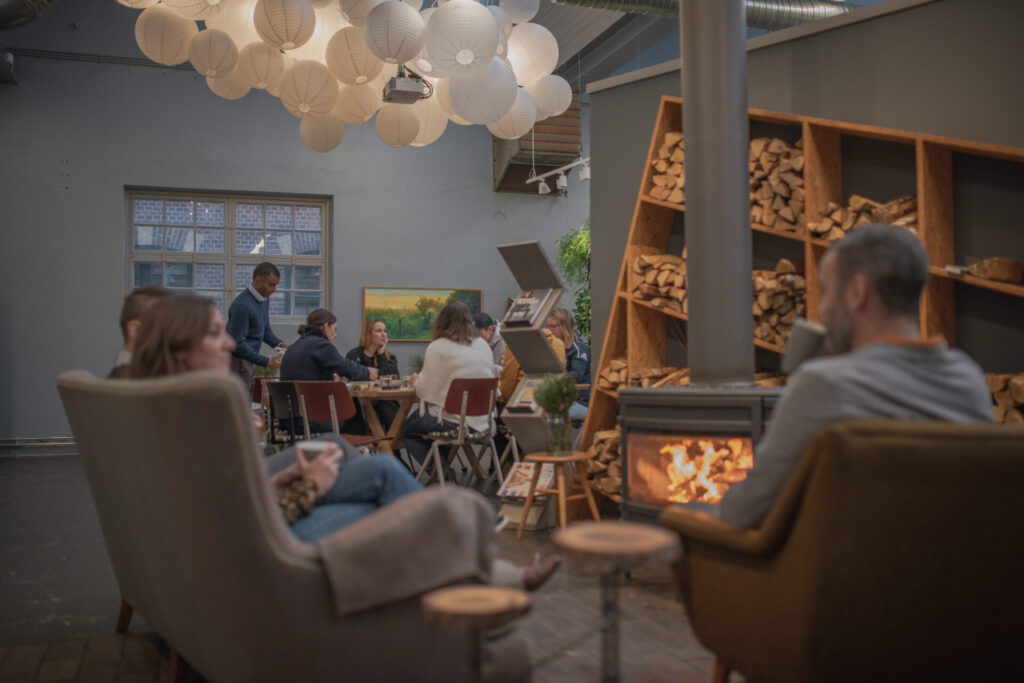
Icebug headquarters in Gothenburg, Sweden.
Discussions at management level
What has been the key to bringing suppliers on board?
“Long-term relationships. It’s not enough for sustainability teams to push these initiatives – CEOs or senior leaders need to engage directly with factory owners and top management, because they own this type of decision,” shares Ekelund, before continuing:
“It’s also important to highlight the benefits. For a long time, I kept wondering what I had missed – could this really be as good as it seemed? In reality, the benefits are even greater for factory owners. At least one of our partners has already recommended the solution to other factories.”
According to Ekelund, the next step is to scale and spread this approach across the outdoor sector, in collaboration with the European Outdoor Group and other stakeholders.
“The goal is for our entire industry to use only renewable electricity in the supply chain, starting with Tier 1. It’s possible.”
Solar-as-a-service in Vietnam
The solar provider installs, finances, and maintains the system, meaning zero upfront capital expenditure for the supplier. The supplier leases the system, benefiting from lower electricity costs while reducing emissions. From a process perspective, it is relatively fast – once a supplier signs up, installation can be completed within a matter of months.








Sorry, the comment form is closed at this time.