April 8, 2026 2025 Report: outdoor industry invested €6M in conservation
The EOCA 2025 Impact Report outlines conservation progress following a year of intensifying climate and biodiversity challenges, and signals a new phase for the organization.
Following a year marked by intensifying climate and biodiversity challenges, the European Outdoor Conservation Association (EOCA) has published its 2025 Impact Report, outlining the impact of its conservation activities.
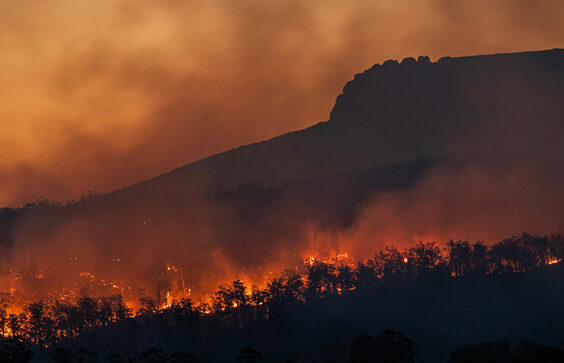
In what was expected to be a year of cautious optimism, 2025 reinforced the urgency of the global environmental situation. With another hottest year on record, the 1.5°C target moving further out of reach, and biodiversity loss continuing, the report highlights the need for continued action. It also points to developments such as the growth of renewable energy and ongoing efforts by organizations working on nature protection and restoration.
Together with its members, EOCA has contributed more than €6 million to conservation and rewilding projects since 2006. These funds have supported more than 220 initiatives across over 65 countries. Activities include habitat restoration, tree planting, species protection, and community-led conservation.
EOCA strategic shift ahead of 20th anniversary
As EOCA approaches its 20th anniversary in 2026, the organization is entering a new phase, with a planned move to Brussels aimed at strengthening its advocacy work and increasing collaboration with NGOs and stakeholders in the outdoor sector.
“These are challenging times, but there are clear signs of progress,” said Antje Fehling, EOCA President.
“For 20 years, EOCA has supported conservation projects around the world, helping to protect and restore nature while building a lasting legacy for generations to come. My heartfelt thanks go to our members, project partners and dedicated team for their passion and commitment.”
EOCA future plans and impact reporting
Looking ahead, EOCA states it will refine its grant-making approach based on available evidence, expand partnerships with organizations focused on reconnecting people with nature, and improve transparency through updated impact reporting aligned with ESG frameworks.
“Whilst we are incredibly proud of the impact achieved so far, we are only too aware of how much more must be done,” said Dan Yates, EOCA Executive Director.
“EOCA is evolving to meet this challenge – enabling our members to drive meaningful change and play their part in building a better future. I am delighted to present our 2025 Impact Report and excited to see what we can achieve together in the years ahead.”
Read the full 2025 Impact Report: EOCA Impact Report 2025
About European Outdoor Conservation Association
The European Outdoor Conservation Association (EOCA) is a not-for-profit association registered in Kanton Zug, Switzerland. Since 2006, it has supported conservation and restoration projects worldwide through funding from its members.
Visit the European Outdoor Conservation Association website.
Lead image: EOCA