


Pertex NetPlus fabrics use recycled fishing nets to deliver performance textiles without compromising durability or performance.
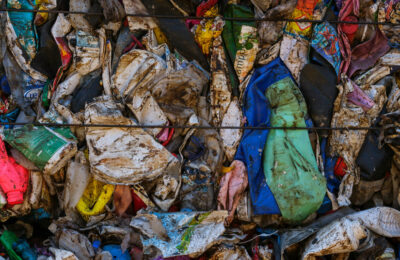
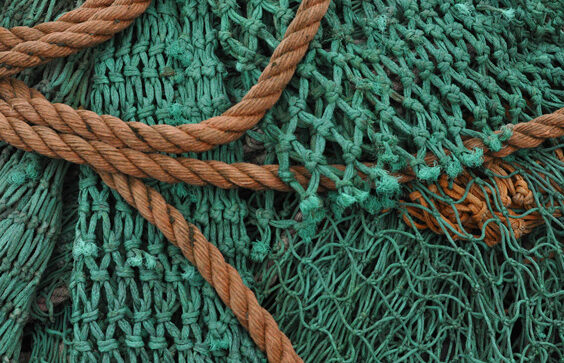
An estimated 8.8 million tons of plastic waste enters the ocean every year. Discarded fishing nets are one of the worst forms of this ocean pollution. If abandoned at sea, they can entangle marine life, damage coral and seabed habitats, and degrade into microplastics. However, the waste material is a valuable resource that can be recycled into high-performance fabrics and in doing so, support cleaner, healthier coastal communities.
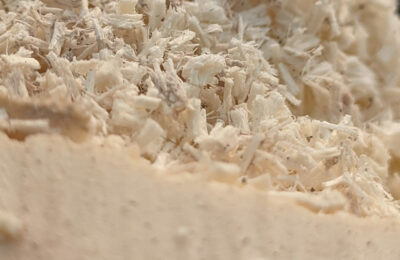
Pertex partners with Bureo, who work directly with local fishing communities to collect end-of-life fishing nets, capturing the waste before it potentially ends up in the environment. The material is sorted, cleaned and shredded, before being recycled into high quality NetPlus nylon, made from 100 percent fishing nets.
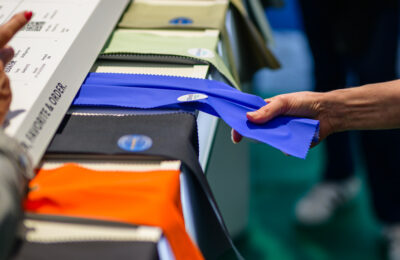
This NetPlus nylon is spun into fine denier yarns and precisely woven to create lightweight, high-performance Pertex fabrics for outdoor apparel. These Pertex NetPlus fabrics meet the same rigorous testing standards as the rest of the collection – delivering positive impact without compromising the durability or performance benefits.
Growing industry uptake of Pertex NetPlus fabrics
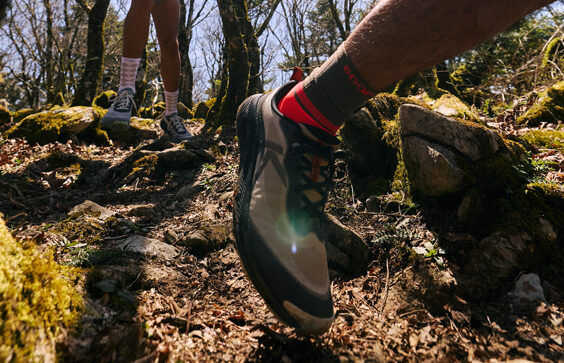
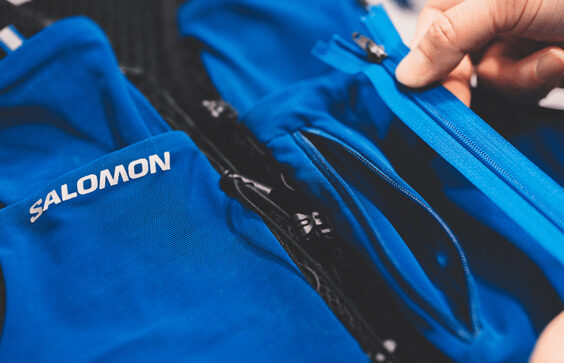
Leading outdoor brands including Patagonia, Outdoor Research and Salomon are already using Pertex NetPlus fabrics in their pinnacle products, with further innovative adoptions from Pertex partners coming for SS26 and AW26 seasons.
“We’re proud to continue expanding the range of fabrics made from NetPlus material across our collection, encompassing a range of applications from ultra-light downproof Pertex Quantum to waterproof breathable Pertex Shield fabrics,” shares Andy Laycock, Pertex Brand Director.
“These fabrics represent our ongoing commitment to driving responsible material choices across the outdoor industry. By displacing fabrics made from virgin nylon, we can provide tangible environmental benefits.”
About NetPlus
Utilizing NetPlus material provides measurable reductions in environmental metrics when compared with virgin nylon, including reduced greenhouse gas emissions, water usage and fossil fuel extraction. The NetPlus program also supports local fishing communities by improving waste infrastructure, creating local employment opportunities, and funding environmental non-profits.
Lead Image: Jurgen Westermeyer


Sorry, the comment form is closed at this time.