August 14, 2026 NGO outlines how nature restoration can reduce wildfire risk in Europe
European Outdoor Conservation Association highlights how restoring nature can help build resilience to increasing wildfire risk.
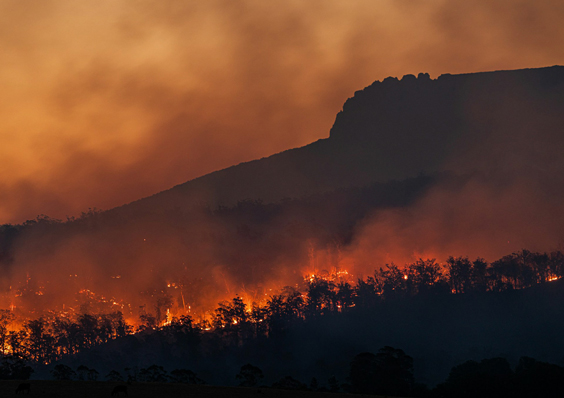
2026 is looking to be an exceptionally severe wildfire season in western Europe, with blazes raging across France, Spain and the UK. France is experiencing its worst wildfire season since 2012, while Spain has already seen more than 244,000 hectares burned. Hundreds of thousands of people have been evacuated from their homes across France and Spain.
The economic cost is huge, with wildfires costing the EU nearly €3 billion every year. But the cost to wildlife and nature is often untold.
So, what is causing these fires, and are they really “wild” at all?
Climate breakdown
This year’s record-breaking heat has impacted much of western Europe, with not only high temperatures but also prolonged periods of very low rainfall and extremely dry conditions. The UK recorded its highest June temperature on record, reaching 38°C at Lingwood in Norfolk on 26 June 2026.
A combination of factors is drying the ground and vegetation, creating the perfect conditions for fires to start and spread. The extreme heat and dryness experienced across western Europe have been made more likely and more severe by decades of accumulated greenhouse gas emissions from the burning of fossil fuels.
Climate change does not necessarily start every fire, but it is changing the conditions in which fires start, spread and become more difficult to control.
Ecological breakdown
Human interventions in the landscape have reduced fire resilience and increased the ability of fire to spread.
In the UK, the impact has come from both the draining of upland habitats for agriculture and rotational burning, which can dry peatlands and promote highly flammable vegetation for grouse shooting. In France, a predominant problem has been monocultures of non-native tree species as part of forestry plantations. Natural ecosystems, subject to natural processes, are both more fire-resistant and quicker to recover from the impact of fire.
Wildfire has been a natural part of ecosystem function for thousands of years. But both the frequency and severity of recent fire seasons have been driven by man-made changes to our climate and our landscapes. It is clear that this year’s fires are far from simply “wild”.
What EOCA recommends
EOCA believes action is needed on three fronts:
- Urgent action on climate breakdown. Immediately cut greenhouse gas emissions, transition to renewable energy, and support the protection and restoration of nature that can capture and store carbon.
- Rewild and restore landscapes. Work to rewet landscapes by blocking drainage ditches and restoring wetlands, remove invasive and non-native species where appropriate (especially conifer plantations), and allow a diverse range of species to thrive. Wetter, more varied (mosaic) habitats can be more resilient to fire.
- Responsible outdoor recreation. While fire risk is high, people should be responsible when using the outdoors and avoid accidental sources of ignition: no naked flames, no fires, no BBQs.
How EOCA works to reduce wildfire risk
EOCA funds and supports conservation projects designed to reduce fire risk and build resilience across the globe. Examples include:
Nature Recovery in the West Lakes, UK – This project is restoring native habitats and supporting a rich variety of wildlife to improve ecosystem health and increase resilience to climate change. Aiming ultimately to restore 10,000 hectares, the project will remove non-native species, enabling natural regeneration and supporting the planting of native trees and wildflowers.
Rewilding the Cape Floral Kingdom mountains, South Africa – More than 82,000 invasive pines have been cleared across 280 hectares, allowing the diverse fynbos ecosystem to recover. The project is helping to protect 98 threatened species, including the Cape leopard, while significantly reducing water losses and the risk of hot fires.
Mitigating climate change by restoring ecosystems, Nepal – Working with local communities, this project is reducing the risk of fire in grassland, forest and farmland. It includes the planting and safeguarding of 12,000 native trees, trialling a change in grassland management from controlled spring fires to manual cutting in winter over 300 hectares, and piloting composting rather than burning crop residues with 50 farmers over 600 hectares.
Damming to Rewet Rainforest, Borneo – EOCA funding contributed to the construction of 20 dams on an illegal logging canal in Sebangau National Park, Borneo, to restore and rewet an area of drained peatland. This is helping to reduce the threat of dry-season forest fires on peatland damaged and degraded by years of illegal logging, and reduce the risk of fires spreading from forest margins into primary forest.
Nature restoration is part of the solution
Wildfires are a frontline sign of a changing climate and increasingly vulnerable landscapes. But they are also a reminder that action can be taken, according to EOCA.
By reducing greenhouse gas emissions, restoring healthy and diverse ecosystems, rewetting landscapes and changing land management practices, resilience to fire can be built to protect the wildlife, wild places and communities that depend on these landscapes, EOCA says.
EOCA is encouraging outdoor companies to get in touch if they want to support nature restoration efforts that reduce fire risk to natural habitats and communities.
About EOCA
European Outdoor Conservation Association enables its membership from the outdoor sector to create a positive impact on nature, biodiversity and wild places. It provides a mechanism for companies to invest in conservation and restoration projects globally, and advocates for progressive nature supporting legislation at an EU and UK level.
Lead photo: Matt Palmer