March 28, 2019 Organic Cotton Wins in Court
Consumers can remain confident in Global Organic Textile Standard’s (GOTS) good name following a court ruling against a non-complying textile printer who advertised their product as GOTS certified.
The Higher Regional Court Stuttgart passed a consumer-friendly judgement on 18 February 2019 – with far-reaching consequences for any advertising using the GOTS logo and name.
The appeal decision was passed on a case where a textile printer had purchased blank GOTS certified T-shirts and then printed on them. However, the printer was not GOTS certified. According to the GOTS standard criteria, each processing step must be certified in order to exclude toxic or carcinogenic substances, among other criteria. The printed T-shirt was advertised as a GOTS certified end product, so the Global Standard non-profit GmbH, the standard setter of GOTS, took legal action.
The judges explicitly pointed out that the GOTS Trademark is regarded as a Quality Mark. Consumers must be able to rely on compliance with the strict requirements of the standard. Printing on a textile would bear the risk that this product would no longer comply with the requirements of GOTS. The reputation of GOTS could thus be weakened or otherwise damaged by further (non-certified) processing which would constitute an infringing activity.
General explanations about GOTS on the defendant’s website did not change this, since the consumer would be given the wrong impression that the products were certified, the judges ruled.
A win for consumers
“This judgement is groundbreaking. The judges acknowledge the quality promise of a GOTS product to be certified throughout the entire supply chain. This protects the consumers and also the companies that act correctly by getting certified” says Claudia Kersten, GOTS Managing Director.
About GOTS: GOTS is the stringent voluntary global standard for the entire post-harvest processing (including spinning, knitting, weaving, dyeing and manufacturing) of apparel and home textiles made with certified organic fibre (such as organic cotton and organic wool), and includes both environmental and social criteria. Key provisions include a ban on the use of genetically modified organisms (GMOs), highly hazardous chemicals (such as azo dyes and formaldehyde), and child labour, while requiring strong social compliance management systems and strict waste water treatment practices.
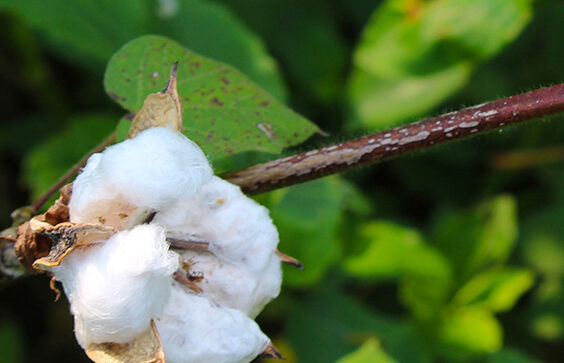
Photo: Unsplash/Sebastian Pichler