


As the concept of “sustainability” is increasingly seen as inadequate to meet the challenges facing the globe, a new guiding light is beginning to pick up steam. Emma Gittoes Bunting, Woolmark Global Sustainability Manager, says it’s time to get behind the new, bottom-led “nature positive” movement.
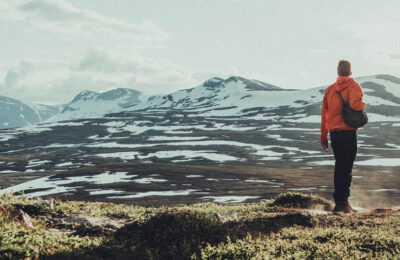
In recent years, the fashion industry has been increasingly called to address sustainability through a lens that goes beyond carbon reduction to embrace a “nature positive” approach. But what does “nature positive” really mean?
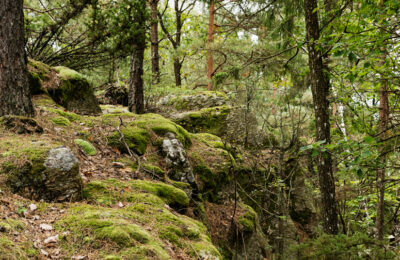
At its heart, it’s about contributing positively to ecosystems to leave the land in a better condition for the next generation by enhancing biodiversity, soil health, and prioritizing regenerative practices that benefit both nature and communities. It has been defined as “halting and reversing nature loss by 2030, measured from a baseline of 2020[1].”
For Woolmark, this journey to nature positive is woven into our Woolmark+ roadmap. Woolgrowers have been applying nature positive principles for decades as stewards of the land. Their work extends beyond wool production: It’s a dedication to ecosystem preservation, a responsibility held for future generations.
Yet, in the rush for sustainable standards, their voices and daily expertise are often missing from global frameworks. Recognizing this, Woolmark+ prioritizes and champions actionable grower-led initiatives. These aim to accelerate nature positive production on farms, deliver the circular fiber of choice and support thriving flocks and communities.
But achieving a nature positive future for wool isn’t a solo venture. It requires deep collaboration across the supply chain, financial commitments to woolgrowers, and legislative recognition of their environmental role. Brands can take action today by investing directly in woolgrowers, joining insetting programs, and advocating for policy support for natural fibers.
This journey to nature positive isn’t an option for the wool industry – it’s essential for the future of our industry and the planet.
[1] Locke et. al (2021), A Nature-Positive World: The Global Goal for Nature.
Lead image: Woolmark






Sorry, the comment form is closed at this time.